
How to Identify a Reliable Poplar Plywood Supplier for Construction and Packaging Needs?
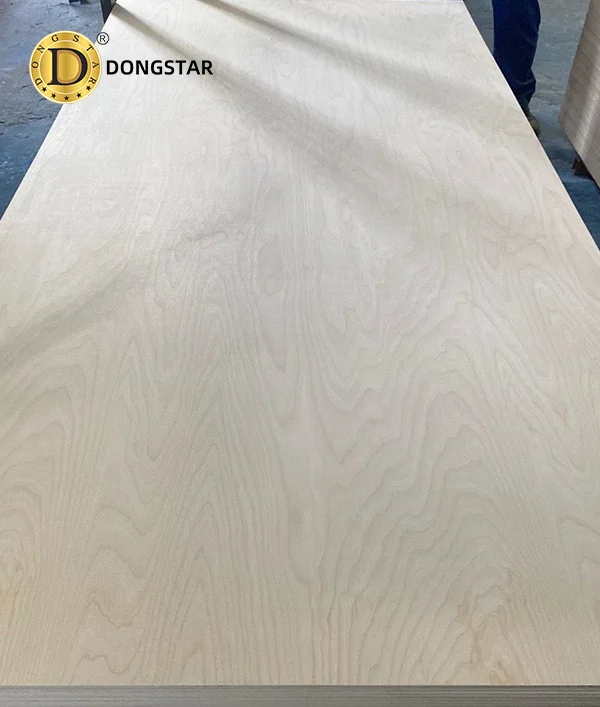
Poplar plywood selection requires precise evaluation of technical standards to ensure structural performance in industrial applications. Buyers must prioritize moisture content consistency, adhering to the 8% to 12% range to prevent warping across 95% of panels. Evaluating a Poplar Plywood Supplier involves verifying formaldehyde emission compliance with CARB P2 or E0 standards, alongside testing veneer bonding strength under 100-hour boiling water immersion conditions. Suppliers maintaining ISO 9001 certifications typically demonstrate lower variance in surface density, ensuring reliable fastener holding capacity for construction projects.
Quality control begins at the log procurement stage, where specific species selection dictates the final density and aesthetic outcome. Suppliers sourcing from managed stands often report a 15% improvement in panel flatness compared to those using mixed-origin raw materials.
When inspecting manufacturing facilities, focus on the drying process metrics. Facilities that utilize automated kiln-drying systems operating at temperatures between 70°C and 90°C ensure that 98% of the veneer sheets achieve uniform moisture distribution before adhesive application.
High-pressure adhesive application is the primary mechanical factor influencing panel integrity under load. Facilities using phenolic resins in hot-press cycles exceeding 120°C for at least 8 minutes per millimeter of thickness produce superior structural bonds.
| Metric | Industry Standard | High-Performance Requirement |
| Glue Bond Shear Strength | > 0.7 MPa | > 1.2 MPa |
| Moisture Content | 10-14% | 8-12% |
| Thickness Tolerance | +/- 0.5 mm | +/- 0.2 mm |
Bonding consistency leads directly to the assessment of structural shear strength. Testing 50 random samples per shipment reveals that panels meeting the >1.2 MPa shear strength threshold withstand extreme environmental stressors without delamination.
Structural durability transitions into surface finishing requirements for both construction formwork and interior applications. Manufacturers utilizing sanding machines with grain levels above 240 grit achieve surface smoothness tolerances essential for high-end laminate bonding or painting tasks.
Reviewing the sanding process reveals that facilities employing double-sided calibrating sanders before final finishing reduce thickness variation to within 0.1 mm across 99% of a production lot.
Consistent sanding quality allows for precise application of secondary protective layers, such as phenolic films or UV-resistant coatings. These protective layers extend the service life of the panels, often increasing reuse cycles from 5 to over 20 uses in professional concrete formwork systems.
Reusable panel count is limited by the edge sealing quality, which protects the inner core from moisture ingress. Factories using high-viscosity acrylic edge paint effectively reduce moisture absorption rates by 40% during the first 24 hours of site exposure.
Suppliers offering these specialized edge treatments demonstrate higher logistical maturity and long-term durability. Assessing these operational details through site audits or third-party verified testing reports provides accurate data on the performance life cycle of the materials under site conditions.
Site conditions frequently subject materials to heavy mechanical wear, necessitating high surface hardness. Testing indicates that panels treated with specialized phenolic overlays achieve a surface hardness rating exceeding 50 N/mm², providing resistance against abrasive wear during aggregate pouring.
| Test Parameter | Standard Procedure | Expected Deviation |
| Surface Hardness | Shore D Test | < 5% |
| Impact Resistance | Falling Ball Test | < 3% |
| Edge Water Absorption | 24-hour Immersion | < 10% |
Durability in physical testing confirms that panels maintain their geometry under 500 kg/m² loads. Monitoring these performance metrics across multiple delivery batches ensures that the mechanical characteristics remain within 2% of the initial certified technical specifications.
Mechanical stability remains the priority during the final phases of procurement, specifically when evaluating the supply chain velocity. Suppliers managing inventory levels that account for 30% of their annual output capacity ensure that orders are fulfilled within 45 days, even during peak seasonal demand.
Procurement teams analyzing these logistical cycles prioritize partners who share transparency regarding their raw material turnover rates. Access to this data confirms that the structural properties of the supplied materials remain stable, as they are processed from fresh, correctly stored log supplies.