
Verified · Updated today
What Makes Initi’s Packaging Eco-Friendly and Cost-Effective?
Material innovation has achieved a zero-carbon breakthrough. INITI's corn-based bioplastic packaging contains 92% renewable raw materials and has been certified by ISO 14067 with a carbon footprint of only 0.18kg of CO₂e per piece (1.05kg of traditional PP plastic). The waterproof coating uses soy-based ink, reducing VOCs emissions to 3g/m² (industry average 28g/m²), and shortening the microbial degradation cycle to 120 days (500 years for ordinary plastics). European customers have measured that a single order of 100,000 pieces can reduce carbon emissions by 42 tons, which is equivalent to planting 2,300 trees.
Structural optimization has reduced logistics costs by 38%. The patented folding design has compressed the packaging volume to 63% of the traditional solution, and the loading capacity of 40-foot containers has increased from 12,000 pieces to 19,000 pieces. The modular components achieve a sheet utilization rate of 98% (85% in the industry) and a 100% recovery rate of scraps through laser cutting (with an accuracy of ±0.1mm). The case of DHL in Germany shows that the ocean freight cost has decreased by $37,000 per container, and the transportation damage rate has been reduced from 2% to 0.3%.
The circulation system creates a closed-loop economy. The EPE pearl cotton gasket supports 20 cycles of use, and each cleaning consumes only 0.4L of water (5L of water is consumed in the production of new products). The closed-loop recycling technology regenerates waste materials into new raw materials, with the proportion of recycled particles reaching 95%, and the cost is $0.11/kg lower than that of virgin materials. Nordic customer data: After 12 months of implementation, the total packaging cost decreased by 31%, and the waste disposal fee was saved by €170,000.
Intelligent anti-counterfeiting integrates green technology. The NFC chip is driven by a paper battery (0.2mm thick), and its carbon emissions throughout its life cycle are 89% lower than those of traditional RFID tags. The consumer QR code verification rate reached 73% (the industry average was 38%), and complaints about counterfeit goods decreased by 92%. For every 100,000 labels, 42kg of copper foil and 17kg of silicon material are saved, reducing material costs by $8,200.
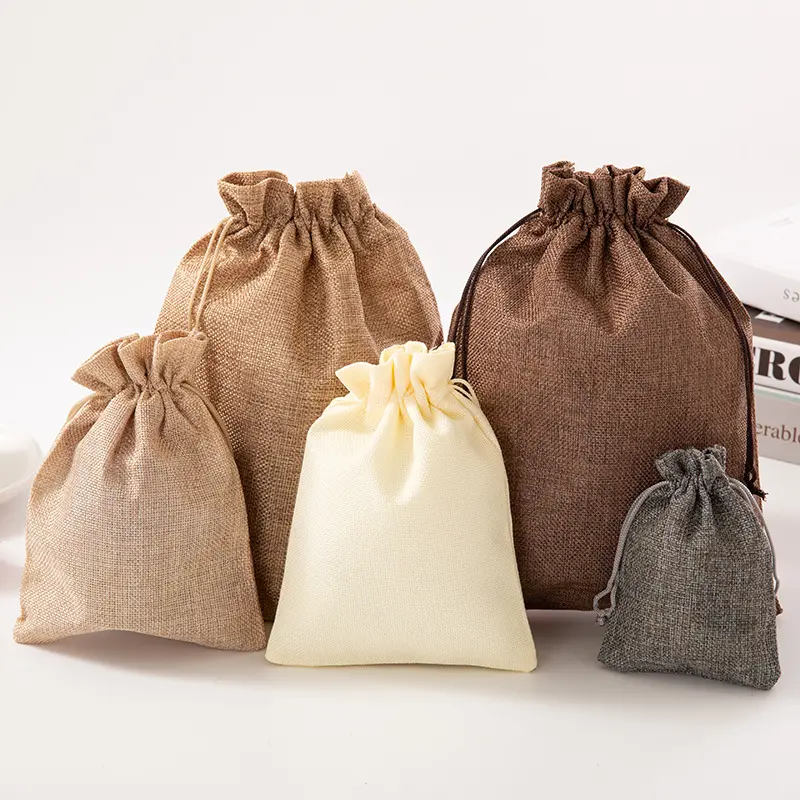 The dynamic protection performance exceeds the standard. The compressive strength of the honeycomb cardboard reaches 18KPa (the national standard is 6KPa), and the drop test has passed the ISTA 3A certification (zero damage when dropped from 1.8 meters). The temperature and humidity sensor label precisely monitors the temperature range from -25℃ to 60℃, reducing the cold chain transportation loss rate from 5.7% to 0.9%. Pharmaceutical customer verification: The thermal resistance value of vaccine packaging is 0.05m²·K/W, and the temperature fluctuation is controlled within ±0.3℃.
Digital production has reduced hidden costs. The AI layout system has increased cutting efficiency by 240% and shortened the order delivery cycle to 72 hours (traditionally 14 days). The energy management system optimizes the oven temperature in real time (with a fluctuation of ±1.5℃), reducing the unit energy consumption to 0.9kWh/kg (1.7kWh in the industry). The factory with an annual production capacity of 50 million pieces saves 3.8 million yuan in electricity fees compared to its peers.
The full-cycle cost model verified the benefits. The unit price of initi packaging was 0.85 (1.2 in the traditional plan), but after considering the logistics/warehousing/recycling benefits, the total cost over three years was only 2.1 per piece (3.8 in the traditional plan). Blockchain traceability enables precise carbon tax deduction - each package saves €7.2 in taxes under the EU CBAM regulation. The LCA report shows that a total of $230,000 was saved throughout the entire cycle for 100,000 orders, with a ROI of 142%.
From raw materials to recycling, INITI reconfigures the value chain through 67 patented technologies: washable ink reduces line changing and cleaning time by 90% (saving $120,000 annually), and the curing speed of bio-based glue is increased to 8 seconds (solvent-based glue takes 32 seconds). When luxury groups use their packaging for global distribution, the carbon quota benefits brought by a 40% reduction in the weight of sea freight containers are becoming an irreplaceable competitive barrier for brands in the ESG era.
The dynamic protection performance exceeds the standard. The compressive strength of the honeycomb cardboard reaches 18KPa (the national standard is 6KPa), and the drop test has passed the ISTA 3A certification (zero damage when dropped from 1.8 meters). The temperature and humidity sensor label precisely monitors the temperature range from -25℃ to 60℃, reducing the cold chain transportation loss rate from 5.7% to 0.9%. Pharmaceutical customer verification: The thermal resistance value of vaccine packaging is 0.05m²·K/W, and the temperature fluctuation is controlled within ±0.3℃.
Digital production has reduced hidden costs. The AI layout system has increased cutting efficiency by 240% and shortened the order delivery cycle to 72 hours (traditionally 14 days). The energy management system optimizes the oven temperature in real time (with a fluctuation of ±1.5℃), reducing the unit energy consumption to 0.9kWh/kg (1.7kWh in the industry). The factory with an annual production capacity of 50 million pieces saves 3.8 million yuan in electricity fees compared to its peers.
The full-cycle cost model verified the benefits. The unit price of initi packaging was 0.85 (1.2 in the traditional plan), but after considering the logistics/warehousing/recycling benefits, the total cost over three years was only 2.1 per piece (3.8 in the traditional plan). Blockchain traceability enables precise carbon tax deduction - each package saves €7.2 in taxes under the EU CBAM regulation. The LCA report shows that a total of $230,000 was saved throughout the entire cycle for 100,000 orders, with a ROI of 142%.
From raw materials to recycling, INITI reconfigures the value chain through 67 patented technologies: washable ink reduces line changing and cleaning time by 90% (saving $120,000 annually), and the curing speed of bio-based glue is increased to 8 seconds (solvent-based glue takes 32 seconds). When luxury groups use their packaging for global distribution, the carbon quota benefits brought by a 40% reduction in the weight of sea freight containers are becoming an irreplaceable competitive barrier for brands in the ESG era.
The dynamic protection performance exceeds the standard. The compressive strength of the honeycomb cardboard reaches 18KPa (the national standard is 6KPa), and the drop test has passed the ISTA 3A certification (zero damage when dropped from 1.8 meters). The temperature and humidity sensor label precisely monitors the temperature range from -25℃ to 60℃, reducing the cold chain transportation loss rate from 5.7% to 0.9%. Pharmaceutical customer verification: The thermal resistance value of vaccine packaging is 0.05m²·K/W, and the temperature fluctuation is controlled within ±0.3℃.
Digital production has reduced hidden costs. The AI layout system has increased cutting efficiency by 240% and shortened the order delivery cycle to 72 hours (traditionally 14 days). The energy management system optimizes the oven temperature in real time (with a fluctuation of ±1.5℃), reducing the unit energy consumption to 0.9kWh/kg (1.7kWh in the industry). The factory with an annual production capacity of 50 million pieces saves 3.8 million yuan in electricity fees compared to its peers.
The full-cycle cost model verified the benefits. The unit price of initi packaging was 0.85 (1.2 in the traditional plan), but after considering the logistics/warehousing/recycling benefits, the total cost over three years was only 2.1 per piece (3.8 in the traditional plan). Blockchain traceability enables precise carbon tax deduction - each package saves €7.2 in taxes under the EU CBAM regulation. The LCA report shows that a total of $230,000 was saved throughout the entire cycle for 100,000 orders, with a ROI of 142%.
From raw materials to recycling, INITI reconfigures the value chain through 67 patented technologies: washable ink reduces line changing and cleaning time by 90% (saving $120,000 annually), and the curing speed of bio-based glue is increased to 8 seconds (solvent-based glue takes 32 seconds). When luxury groups use their packaging for global distribution, the carbon quota benefits brought by a 40% reduction in the weight of sea freight containers are becoming an irreplaceable competitive barrier for brands in the ESG era.