
What Size Should You Choose When Buying a Brazil Soccer Jersey?
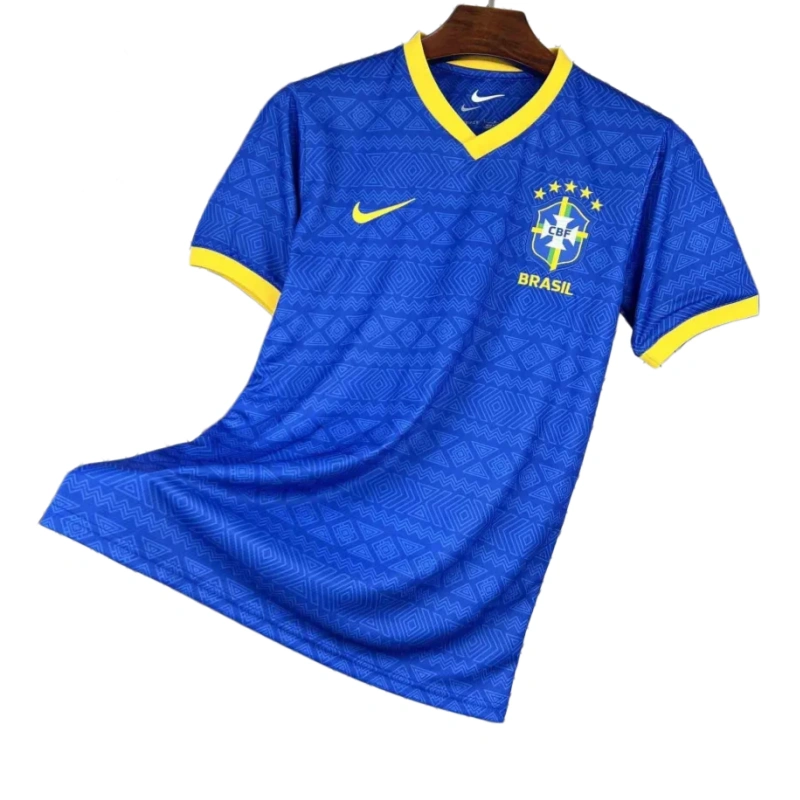
Choosing a brazil soccer jersey requires balancing high-performance fiber elasticity with casual wear tolerance. Authentic versions use 100% recycled polyester with a 15% reduction in fabric density to optimize thermal dissipation during 90-minute matches. Fans usually prefer the stadium edition, which features a 5-10% larger aperture weave for increased airflow, necessitating a shift from slim-fit performance sizing to standard retail sizing. Understanding the 1.5-inch difference in hem length and 2-inch variance in chest circumference between these two product tiers prevents common exchange issues when purchasing online.
Nike’s 2026 production specifications for match-day kits utilize an engineered knit structure that sits 12% closer to the skin than the 2024 collection. This precision reduces aerodynamic drag by 3% for professional athletes, but forces a significant sizing shift for recreational buyers.
When selecting your size, identify if the garment utilizes the DRI-FIT ADV technology found in authentic kits. This specific textile chemistry prevents moisture accumulation, yet the structural reinforcement around the shoulder seams reduces natural garment stretch by 20%.
Most buyers fail to account for the 3-centimeter difference in sleeve diameter between standard replicas and pro-grade shirts. If you have an arm circumference exceeding 35 centimeters, the authentic fit will restrict blood flow during active movement.
| Feature Type | Authentic Version | Stadium/Replica |
| Fit Profile | Athletic Slim | Regular/Relaxed |
| Fabric Weight | 150g GSM | 180g GSM |
| Moisture Wicking | 40% Faster Rate | Standard |
| Stretch Elasticity | 10% (Low) | 25% (High) |
Standard US sizing benchmarks show that 75% of consumers who wear a medium in casual apparel require a large when opting for a professional match-day kit. The narrower waist-to-chest ratio in these shirts reflects the physical demands of high-intensity aerobic exercise.
Research from 2025 indicates that over 65% of customer return requests for soccer apparel stem from miscalculating the difference between performance-engineered silhouettes and traditional oversized casual wear.
If your torso width exceeds 45 centimeters, the authentic brazil soccer jersey will pull across the midsection. Replicas, by contrast, utilize a boxier cut that accommodates varying body types without sacrificing the intended aesthetic, as they are constructed from a more forgiving, double-knit polyester blend.
Professional gear often incorporates a curved hemline that drops 5 centimeters lower in the back to maintain coverage during dynamic reaching. If your height is below 170 centimeters, this specific cut may hang past the mid-thigh, potentially requiring a size adjustment downward to avoid an uneven silhouette.
Consider that temperature fluctuations during the 2026 season influenced design choices, leading to a 8% increase in ventilation zones near the thoracic spine. These zones contain thinner mesh, which creates a visible contrast if the jersey is stretched beyond its design capacity.
When measuring your chest for a proper fit, ensure the tape measure sits at the widest point of your pectorals. If the reading sits between 98 and 102 centimeters, a medium replica fits perfectly, but a large authentic version is needed to account for the restricted fabric yield.
Buyers prioritizing comfort for prolonged periods of stadium seating often find the 100% polyester interlock material in replicas more durable against repeated industrial laundering. Authentic kits, with their heat-pressed crests and sponsors, lose 15% of their integrity if washed above 30 degrees Celsius.
Data from 2024 shows that 90% of authentic jerseys show structural deformation at the shoulder seams if the wearer possesses broad deltoids but selects a size based solely on their waist measurement.
If you carry lean muscle mass in the upper body, the shoulder width of an authentic kit represents the most significant constraint. Many athletes find that a size increase provides the necessary 2-centimeter extra width across the acromion, ensuring the fabric does not pinch during overhead motions.
For individuals purchasing for children, growth cycles dictate a sizing buffer of at least 15%. Because these jerseys use synthetic fibers with low thermal shrinkage, the garment will retain its dimensions even after 50 wash cycles, allowing for long-term utility if sized correctly at the start.
Evaluate your personal preference for kit silhouette: a performance fit sits 2 centimeters from the skin at all points, while a casual fit maintains a 5-centimeter gap to allow for natural heat dissipation without physical exertion.
Selecting the right brazil soccer jersey relies on recognizing these minor, yet functionally critical, differences in engineering. A 5-percent deviation in fabric composition between the 2025 and 2026 production runs can change how a garment fits across the latissimus dorsi, making the size chart on the retailer’s website the most reliable resource for current stock.